Updates (no.3): Turkey’s Syria & ISIS Policy

Update no. 3 – 24 November 2015

A new crisis is unfolding on the Turkish-Syrian border and Russia is once again a central actor. According to reports so far, Turkey seems to have downed a Russian Su-24 jet which, according to Ankara, violated Turkish airspace over Hatay. Russia disputes Ankara’s claims and argues that the jet was within Syrian airspace when shot down. The plane crashed in Syria (see the Guardian map below). The body of one of the pilots appeared in a leaked video and is estimated that it’s been captured by the anti-Assad Alwiya Al-‘Ashar group.
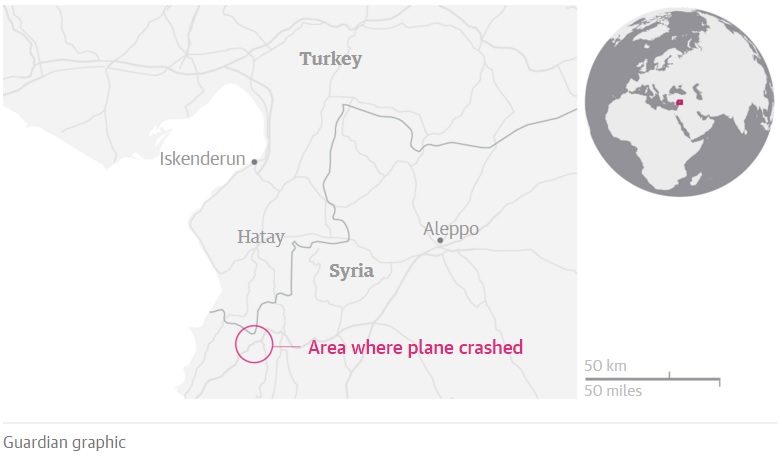
Source: The Guardian

Source: The Guardian

Continue reading

Shifting the Balance against ISIS, or Why Turkey Changed its Mind

Source: Reuters

When the international anti-ISIS (Islamic State of Iraq and al-Sham) coalition was formed back in September 2014, Turkey was thought to be a pivotal participant. However, the international initiative divided Turkey’s political scene which appeared reluctant to follow in the footsteps of its traditional ally, the United States (US). Even after October 2, 2014, when the Turkish parliament voted on a motion that would authorize the government to conduct operations in Syria and Iraq as well as provide Turkish soil and military bases for allied operations, Ankara kept resisting any kind of meaningful military engagement of ISIS. Not only that, but it seemed to be turning a blind eye on foreign fighters crossing into Syria through its borders. Continue reading

Θα Κτίσω Πάνω στην Πέτρα

Στο τραγούδι “Περικοπές ενός Απόκρυφου Ευαγγελίου”, που είναι εμπνευσμένο από το ομώνυμο ποίημα του Αργεντίνου Χόρχε Λουίς Μπόρχες και αποτελείται ουσιαστικά από στίχους της Βίβλου το νόημα των οποίων έχει αντιστραφεί, λέει ο Θηβαίος:

Τίποτα δε χτίζεται πάνω στην πέτρα

Όλα πάνω στην άμμο χτίζονται

Μα εγώ θα χτίζω πάνω στην άμμο

Σαν να ήταν η άμμος πέτρα

Continue reading

The post-Referendum Greece: Between Challenges and Hope

Source: Reuters

On Sunday, July 5, 2015, the Greek people gave a clear ‘No’ to a proposed bailout deal by the Troika (the European Commission, International Monetary Fund and European Central Bank). Though the national referendum was specifically about the Troika’s proposed plan, both Greek and European leaders and the media transformed it into a vote on Greece’s participation in the Eurozone and ultimately the European Union. The Syriza[1]-led government vocally supported the ‘No’ vote, arguing that the position would provide Greece with the leverage to negotiate a better deal with the creditors. Traditionalist center and right-wing parties supported the ‘Yes’ vote, voicing concerns that a rejection of the Troika deal would lead Greece to default, a return to drachma (Greece’s pre-Euro national currency), an exit from the EU, and eventually international isolation.[2] Continue reading

Σκέψεις για το Ελληνικό Δημοψήφισμα #Greferendum

Source: Reuters

Οικονομολόγος δεν είμαι, το’ χω ξαναπεί. Τις πολλές οικονομικίστικες λεπτομέρειες δεν μπορώ να τις ακολουθήσω ούτε να τις καταλάβω. Προσπαθώ όμως και γω με τη σειρά μου να βγάλω μια άκρη με την κατάσταση στην Ελλάδα που, κατά την άποψή μου είναι πρωτίστως πολιτική και ακολούθως οικονομική. Ξεκινώ λέγοντας πως ως Κύπριος δεν έχω το δικαίωμα να υποδείξω το σωστό ή το λάθος, ή να πάρω “εκ του ασφαλούς” θέση για το τί πρέπει να κάνει ο Έλληνας πολίτης. Υπάρχουν όμως κάποια δεδομένα που ως “εξωτερικός” παρατηρητής ανιχνεύω. Continue reading