Author Archives: Zenonas Tziarras

Turkey’s Imbalances and Identity Crisis

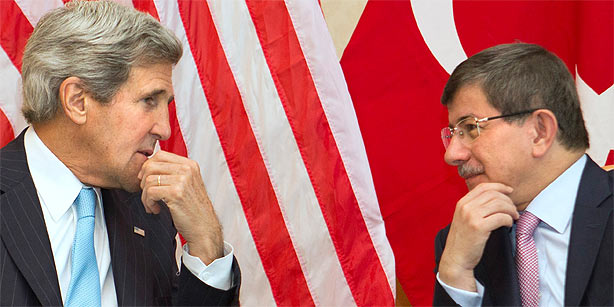
davutoglu-speaks-to-kerry

Source: Reuters

It was June, 2013. I arrived in Ankara, Turkey, right on time to witness the development of the protests that began at Istanbul’s Gezi Park and spread throughout the country’s urban centers, as well as to experience and participate in the social and political discussion that was taking place at that time. The purpose of my visit included the participation in a conference on Turkish foreign policy and some field research. That gave me the opportunity to speak and exchange views with students of International Relations, academics, experts, and diplomats.

A widespread understanding was that Turkish society had been left without a political alternative. In other words, the political opposition – most notably the Republican People’s Party, CHP – was not an adequate opponent to the ruling Justice and Development Party (AKP). And there was no other option. Most of the people I discussed with were open in expressing their discomfort with the AKP’s policies. Others, mostly people affiliated in one way or another to the government, appeared more reluctant to directly criticize the AKP. Yet the consensus was clear: The AKP has made significant improvements with regard to the country’s democratization, economy, and foreign policy. But this did not change the fact that it became gradually authoritarian by having a majoritarian approach to democracy. As often argued, this was also reflected in foreign policy. Continue reading

Egypt Military-Backed Gov’t Takes Decisions that Would Sustain its Own Role – Expert [Interview with Z.T.]

Egypt has lifted its three-month state of emergency on Tuesday. The measure would mean an end to night-time curfews that choked economic life in the country. The court decision comes amid continued protests across the country. Meanwhile, the government edges a step closer to passing a law on demonstrations that the opposition says could be a new way to curb protests. Zenonas Tziarras, Teaching Assistant at the University of Warwick and Junior Research Scholar at the think-tank “Strategy International”, Greece, shared his insight in the situation in Egypt in an interview with the VoR. Continue reading

A Note on the Socio-Political Importance of Events in Egypt

The unfolding events in Egypt, which initially started with the break out of the revolt in 2011, are very important in terms of their social and political impact. Particularly important are not the events themselves, but rather the dynamics and prospects which have been developed through them, both at the domestic and the regional level.

To begin with, it is today clear that the social turmoil of 2011 was not a revolution which brought about systemic changes to Egypt’s political scene, but rather a revolt with limited political and ideological cohesion and goals.[i] Yet, the second, and more massive, revolt of the summer of 2013, which also led to the overthrow of President Mohammed Morsi of the Muslim Brotherhood, is indicator of an important fact: The Egyptian society is currently at a point of rupture of the historical cycle during which it had become de-politicized through imposed top-down policies. It is undergoing a process of re-politicization and it is gradually realizing its rights and power; and thus the refusal of the masses to accept the governance of a Muslim Brotherhood that did not meet their demands. Continue reading

Συνέντευξη στον “Πολίτη” – Ζήνωνας Τζιάρρας: “Δεν Μπορούμε να Αποκτήσουμε Υψηλή Στρατηγική Χωρίς Επίλυση του Κυπριακού”

Η παρακάτω συνέντευξη παραχωρήθηκε στον δημοσιογράφο Γιάννη Ιωάννου και δημοσιεύτηκε στον “Πολίτη” της Κυριακής, στις 29 Σεπτ. 2013, σελ. 79.

Ο διεθνολόγος Ζήνωνας Τζιάρρας, διδακτορικός ερευνητής στο Πανεπιστήμιο του Warwick και στο “think tank Strategy International,” μας δίνει το τρέχον στίγμα της τουρκικής εξωτερικής πολιτικής και μια συνοπτική ματιά των εξελίξεων στην περιοχή μας.

Για αρχή, θα ήθελα να σχολιάσετε την τρέχουσα διαμόρφωση της τουρκικής εξωτερικής πολιτικής. Πώς επιδρά σε σχέση με την τουρκοκυπριακή κοινότητα και πως επιδρά στην διαδικασία επίλυσης του Κυπριακού, μια διαδικασία η οποία βρίσκεται σε σημείο επανέναρξης;

Παρά το ότι το θέμα αυτό χωράει μεγάλη συζήτηση, θα αρκεστώ στο να πώ ότι αυτή τη στιγμή η Τουρκία βρίσκεται σε στρατηγική σύγχιση, παρόλο που θα μπορούσε ο χειρισμός της στα περιφερειακά ζητήματα να είναι πολύ χειρότερος. Για να αξιλογογηθεί εν συντομία ο ρόλος της στην Κύπρο πρέπει καταρχάς να λάβουμε υπόψην δύο πράγματα – πέραν από τους όχι και τόσο θετικους οιωνούς σε δικοινωτικό επίπεδο: α. Η τουρκική εξωτερική πολιτική εν μέσω περιφερειακής αστάθειας έχει να ασχοληθεί με πολύ πιο σημαντικά ζητήματα από αυτό της Κύπρου, και ας μη πλανόμαστε ότι η ευρωπαϊκή της προοπτική μπορεί να επηρεάσει αυτή την πραγματικότητα όσον αφορά το Κυπριακό ή οτιδήποτε άλλο. β. Είναι σημαντικό να καταλάβουμε ότι η Κύπρος και το Κυπριακό βρίσκονται αυτή τη στιγμή στην καλύτερη τους φάση για την Τουρκία και τα συμφέροντά της, με τις ενεργειακές εξελίξεις να έχουν θετικές προοπτικές για την ίδια, και την Κύπρο να είναι οικονομικά, και συνεπώς διπλωματικά, ακρωτηριασμένη. Μια οποιαδήποτε λύση, όπως και το 2004, θα ήτανε θετική για την Άγκυρα και αυτό, όπως φαίνεται, είναι μέχρι ενός βαθμού αναπόφευκτο. Παραμένει να αξιολογήσουμε τα δεδομένα με σοβαρότητα και να παρουσιαστούμε διεκδικητικοί όσον αφορά το περιεχόμενο Λύσης, πάντα όμως με ρεαλισμό. Continue reading

Έρευνα στην Τουρκία: Γενικά Συμπεράσματα

Αυτή είναι η δεύτερη φορά που βρέθηκα στην Τουρκία τους τελευταίους τέσσερις μήνες για να πραγματοποιήσω, μεταξύ άλλων, έρευνα σχετικά με την εξωτερική πολιτική της χώρας. Μίλησα με διπλωμάτες, εκπροσώπους κομμάτων και ειδικούς ακαδημαϊκούς και ερευνητές σε δεξαμενές σκέψης. Παρακάτω παραθέτω μερικά γενικά και βασικά συμπεράσματα που απορρέουν από τις συζητήσεις μου, παρόλο που πολλά από αυτά είναι πλεόν προφανή και γνωστά.

Φοβού το Κράτος

Ο αυταρχισμός της κυβέρνησης του Κόμματος Δικαιοσύνης και Ανάπτυξης (ΑΚΡ) έχει ξεκινήσει να γίνεται ενοχλητικά εμφανής ενώ η προσπάθειά του να θέσει υπό τον έλεγχό του την κρατική μηχανή έχει σε μεγάλο βαθμό επιτύχει. Παράλληλα η πολιτική δύναμη του στρατού έχει μειωθεί δραματικά – σχεδόν ολοκληρωτικά. Continue reading